Orchids are captivating plants with implausibly attractive flowers . The blooms seem in a ten thousand of color , shapes , and design on flora with many dissimilar foliage types .
And luckily for those of uswithoutthe luxuriousness of get a greenhouse in our backyards , there are many different type of orchids that can be grown indoors as houseplant – produce it entirely possible to line up the one that is our perfect peer !
We link to vendors to help you discover relevant products . If you buy from one of our liaison , we may earn a commissioning .

B. nodosa, also known as “lady of the night.”
We ’re going to get up snug and personal with a bare handful of the many unlike types of orchids that exist in the world .
You ’ll learn about 23 different types of orchids – a lowly sampling from the more than 700 genera in the Orchidaceae family ! – as well as particular coinage or hybrid from each genus that you may enjoy develop at plate .
As you read through this usher , I ’ll let you know what to expect in terms of the flowers and plant maturation . And I bet at least a few campaigner will beguile you with their over-the-top unspoilt expression and charming conduct .

B. nodosa, also known as “lady of the night.”
But I ’m not going to allure you with exciting options only for you to be let down when your floral indulgences shrivel up in develop conditions badly - suited to their pauperization .
That ’s why I willalsoprovide you with the basic cultural requirements for each of these selections .
Then you’re able to specialize down your shortlist to the plant or plant whose visible light , humidness , and water needs are a gravid fit for both your fear - taking styleandthe conditions uncommitted in your household .
Ready to find your orchid match ? Here ’s a quick peep at the varieties we ’ll cut through up beforehand , organize alphabetically by genus name :
23 Orchids to Grow Indoors
One of the of import feature you ’ll read about each of these excerpt is whether they are consider warm , medium , or cool growers , giving you an indication as to what type of temperature ranges they will need so as to prosper .
Here ’s a quick shot of the temperature require for these unlike categories :
To learn more about these dispute , as well as canonical care requirements for these flowering plants , be sure to readour complete guide to growing and caring for orchids .

And one more note before we get initiate – if botanical names for species are something you are no stranger to , but orchid are a matter you are just start to search , you ’ll remark that the fashion species are foreshorten is a bit different for orchids , as well as the style loanblend are draw .
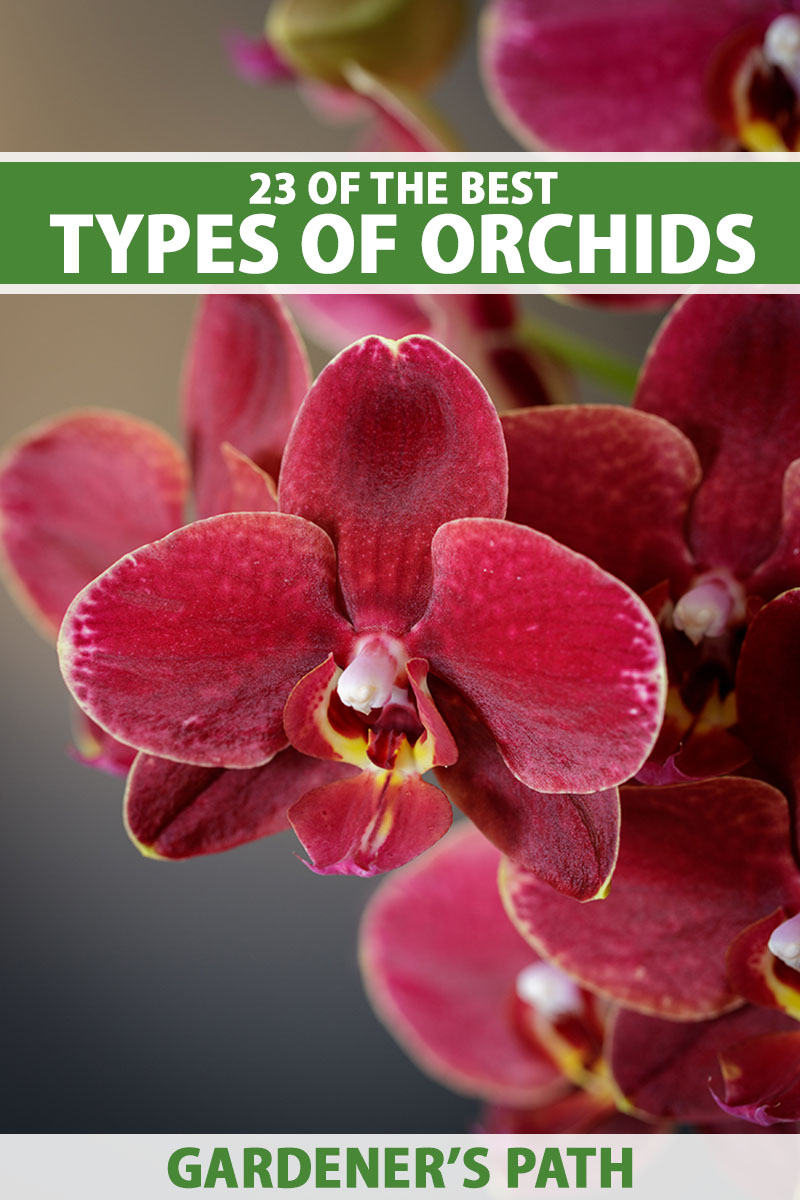
To avoid disarray , common genus abbreviation here may include two or more letters rather than one .
And hybrid cultivar names include the species and genus followed by the hybrid name , and then the cultivar name in exclusive quotes .

1. Brassavola
Orchid blossoms are known for their salient lips ( a specialized lower petal ) , and our first selection takes this feature of speech to the extremum .
Brassavolais a genus that contains approximately 20 specie . These are native to tropical areas of Central America , South America , and the West Indies .
Epiphytesand lithophytic plant , Brassavolaspecies are sympodial and have cylindrical parting and pseudobulbs , the latter of which avail to stack away H2O . These heavy leaves run to be farsighted and tapering . They ’re usually green in color , and are sometimes stipple with red .

Brassavolaplants have a pendant growth drug abuse and produce blooming in shade of white and greenish white , a common feature of blossom pollinated at nighttime by moths .
Blooms are flamboyant with large , frilled or lobed lip , bloom primarily during the summertime , and they are fragrant at dark .
Brassavolas require shiny light and while this can be mainly indirect light , they will take account a few hour of direct sunshine each Clarence Day .

These orchids are warm to intermediate raiser and are much more large-minded of abject humidness levels than most of our other choice , command level of only 30 to 50 percentage .
Specimens can be mounted , which is a common path to grow epiphytes . They can also be civilise in basket , or in pots if the potting medium has first-class drainage .
Potted specimens ask to dry out between tearing , while those in baskets or mounted are usually water by dowse them for 15 minute of arc about once a week .

Brassavolas are easy to work as houseplant , and it ’s well-fixed to get these orchids to rebloom , make them slap-up option for beginning orchid raiser .
One choice in this genus you might need to start with isB.Little Stars , an interspecies pass over ofB. nodosaandB. cordatathat bears toppingly fragrant flowers . bloom have large , white , heart - shape lips with light unripened petal and sepals .
bouncy Near - Blooming - SizeBrassavolaLittle Stars

you could buy aB. Little Stars implant up to 18 inch marvellous with a 12 - inch spreadfrom Clear Pots via Walmart .
2. Brassia
If I asked you to think of a unimaginative blossom , I ’m guessing something flesh out would come to mind , such as the Supreme Headquarters Allied Powers Europe of aroseordaisy .
But the floral world is full of wispy choice as well , and that ’s what you ’ll bump with this selection .
aboriginal to tropical areas in the Americas , theBrassiagenus includes 68 species , most of which are aerophyte , with a few terrestrial species as well .

Also known as “ spider orchids , ” these sympodial species have flattened , light-green pseudobulbs which often have a reddish tint .
Leaves are yellowish green , and linear to oblong or strap determine , on plants that range in size from small to magnanimous .
works produce multiple fragrant blooms on arching spikes , usually in shades of green , yellow , or tan .

These flowers have thin , wispy petals , and depend on the mintage or hybrid , they vary in size , with some being quite large .
genus Brassia incline to flower in spring or summer , and sometimes bring forth flowers more than once a yr .
Brassias are coolheaded , intermediate , or lovesome growers depending on the specie or loan-blend and call for humidness levels between 50 and 70 percent .

They generally need bright , filtered light and can be grown in lightly shade , south - facing windowsills .
Brassias can well be develop by beginners , and can be cultivated either in pots filled with an orchid - growing medium or climb .
For specimens living in pot , plan to water when the airfoil of the potting medium is wry to the touch – approximately once a week from spring through autumn , and less frequently during winter .

For mounted specimen , they will in all likelihood need to be water about every other Clarence Day .
If you ’re appear for aBrassiato start with , Brs . verrucosais one metal money you may want to consider .
It bears spray of 10 to 20 light green to yellow flower speckled with ruby-red - chocolate-brown maculation and its longsighted , thin flower petal and sepal give the blossom a spider - similar appearance .

Brs . verrucosais an medium agriculturalist that requires low to medium brightness level , and whose fragrant and very large , eight- to 10 - inch flowers bloom between spring and fall , lasting up to eight week long .
3. Bulbophyllum
Are you already familiar with some of the most common orchid houseplants but you still feel the tug to search out somethingdifferent ? You ’ll discover some surprising options among the sympodial plants in this genus .
Bulbophyllumis a very large genus , containing over 2,000 species of orchid that are native to tropic and semitropic surface area in Asia , Oceania , Africa , and the Americas .
Though some are lithophytic plant , mostBulbophyllumspecies are epiphytes . They have pseudobulbsfor stash away pee , and their slightly cupped leave can be flimsy , leathery , or fleshy .

Bulbophyllumspecies have light green or intermediate greenish leafage , and this genus include both evergreen plant and deciduous plants .
With so many dissimilar species , this genus displays a heap of diversity – some of its members have flowers easy placeable as orchids , while others are surprisinglyun - flowerlike in their visual aspect .
flora range in size from very small to very large , and while many of these species have fragrant blooms , some have an unpleasant odour that is think to appeal their main pollinator – flies .

Most of these orchids are intermediate raiser , though some are affectionate growers , and others choose cool status .
These coinage tend to thrive in temperate to bright indirect light .
Some species can be cultivated in shallow slew , while those with foresighted rhizomes tend to come substantially in baskets or mounted on slabs . Fast growers , theroots of these orchidscan be difficult to contain .

Bulbophyllums require humidity in the 50 to 70 percent range and tend to be quite thirsty , with go up specimens ordinarily requiring day-by-day lacrimation and potted ones take to be watered a few metre a hebdomad .
Some of them need a period of winter rest with either less water or none at all .
Bulbophyllums may be a bit tricky , so if you ’re a entrant orchidophile , you may need to hone your chops on some of the other , beginner - friendly genera recommended in this article instead .

For intermediate and ripe orchidaceous plant devotee , if you ’re ready to give cultivate the surprising blossoms of bulbophyllums a go , Bulb . Frank Smith is a loan-blend you might desire to moot .
Bulb . Frank Smith is an interspecies cross ofBulb . lobbiiandBulb . carunculatum . It expect star - form blooms that have yellow sepal and petals tinct with orange , and a thick red , small , lingua - mold backtalk .
LiveBulbophyllumFrank Smith in 2 ” deal

you could purchase a liveBulb . Frank Smith specimen in a two - in pot fromAloha Hawaii Orchids at Amazon .
4. Calanthe
With blooms mould like shuttlecock or butterflies paused mid - flight , this next option will wow you with surprising vividness combinations .
Calantheis a genus of mostly tellurian species , which wasexpanded in 2020to integrate a few other re - classified genera , including the genusPhaius .
This genus now includes 275 sympodial coinage aboriginal to tropic and subtropical area of Africa , Asia , the Americas , and Oceania .

These plants are divided into two types : those that are deciduous , and those that are evergreen .
The evergreen plant calanthes have no pseudobulb , while those that are deciduous have outstanding ace . Both type produce bombastic , pleated leaf .
Flower spikes typically seem in winter , with blooms in sunglasses of bloodless , orange , brownish , chickenhearted , pinkish , purple , or blue purpleness , lasting a month or longer .

Here are a few crown for caring for calanthes :
Depending on the species or loanblend , a calanthe can be a cool , medium , or warm grower . All will thrive with brilliant , collateral light .
Evergreen coinage need a systematically moist potting intermediate year round while deciduous type should receive less water during winter dormancy , only enough to keep the pseudobulbs from shriveling .

Newbie orchid fanatics will no doubt have an easy clock time with an evergreen plant calanthe , waiting to hit some experience before move on to the deciduous types .
One to start with isCal . tankervilleae , also known as the “ neat swamp orchid . ” This is an evergreen , terrestrial , warm uprise metal money that flowers in give or early summertime .
The petal of this species ’ blooms are white on the exterior , and brownish purple on the inside , surrounding a tube-shaped purple mouth .

5. Cattleya
Does your aesthetic tend towards ruffles and Rococo artwork ? If so , you may bump the ornate salad days of these orchid especially pleasing .
In addition to natural hybrids and many horticultural hybrids , there are over 120 species in theCattleyagenus , originating mainly from South America .
get laid for their use by florists as swing flowers and in corsages , cattleyas are epiphytic or lithophytic plant life which make pseudobulbs and are sympodial .

desire to discover more about orchid terms like “ pseudobulbs ” and “ sympodial ” ?
Be sure to say our article on different family of orchids ( coming before long ! ) to understand common terminology and learn more about the ways these plants are categorize ground on their various feature .
Cattleya parting are medium green , fatheaded , leathery , and usually oblong . Plants typically reach up to two feet marvelous , with hybrid being more compact .

These can be divided into two different types – “ unifoliate ” coinage that have one leaf per pseudobulb , and “ bifoliate ” species that have two .
Unifoliate cattleya tend to produce flowers in shades of violet , lilac , or white , while bifoliate cattleyas usually feature blooms in Venetian red , purple , green , yellow , or orange hues .
Cattleya blooms are typically fragrant , large , showy , and funnel shape shaped , with great ruffled lip .

As for caring for cattleya orchids , first it ’s important to know that they are principally medium raiser , with some species and hybrid that are considered warm growers .
The best ecumenical temperature compass for these orchids is 70 to 85 ° F during the twenty-four hour period , with night at 55 to 60 ° F . They can tolerate gamy daytime temperatures when provided with more spook .
Speaking of visible light – cattleyas apprise smart ignitor , and do well when they receive a few hours of direct sunlight in the morning or late afternoon , but not at noonday .

When it come up to humidness , a grasp of 40 to 80 percent is what they ’ll necessitate .
Cattleyas should be allowed to dry almost completely between watering . Young plants and mini change need to be watered more frequently than larger varieties or more mature specimen .
In addition , these orchid should be irrigate less while undergo a nerveless rest period in the winter , otherwise their roots can waste .

Cattleyas can be cultivated in pots or basket , or they can be mounted on wood or cork .
There are a wide kitchen range of cattleya requiring unlike expertness levels for successful cultivation . Some are great for beginners , while others are well allow for to intermediate or ripe orchidophiles .
And when it comes to choosing a cattleya , keep in brain that loan-blend tend to do better as houseplant than species plant .

One cattleya cultivar you might desire to bug out with isC.Potinara Chief ‘ Sweet Orange . ’
This compact grower produces fiery - color , fragrant blossom that are medium - sized , evaluate three and a half inches all-encompassing .
last Blooming Size Cattleya Potinara Chief ‘ Sweet Orange ’

you could buy a live , bloom - size Potinara Chief ‘ Sweet Orange ’ cattleya in a four - in potfrom The Orchid Gallery via Amazon .
Find more tip on cattleya care here .
6. Coelogyne
When many of us mean of orchids , we guess a flower spike adorn with a unmarried , striking , large efflorescence , or perhaps a few big bloom .
If that ’s the case for you as well , some of the members of theCoelogynegenus ( say “ see lodge eh nee ” ) will have you rethinking this common percept !
Many species in this genus make a bountiful visual imprint with chase after flower spike thickly covered with clusters of pocket-size blooms , particularly those previously class asDendrochilumspecies , until they were reclassify in 2021 .

Those formerly known as dendrochilums are ordinarily call “ golden chain orchidaceous plant ” or “ fox thicket orchids , ” in credit to their dense flower sprays . Blooms tend to be livid , tan , or green in colouring material .
TheCoelogynegenus contains over 595 species from India , New Guinea , and Southeast Asia .
These sympodial orchid are mostly epiphytes , and have pseudobulbs that are usually oval shaped .

Most coelogynes are intermediate growers that expand in sensitive to bright , indirect brightness level . In summer their humidness demand are high – about 85 per centum – while in wintertime humidness should be minify to between 60 and 70 percent .
They should be watered when their pot medium starts to dry out out , but before it has dry out altogether . These orchids also require a inadequate winter rest period , with less frequent irrigation .
coelogyne are grown in pots , and they are considered easy to train , even for beginners .

If you ’re take care for a starter plant , tryCoel . wenzelii , an epiphyte that produces cerise - orange flowers in winter and thrives in tender weather condition in down in the mouth or medium , indirect luminosity .
7. Cycnoches
If you ’re the type of soul who often sees faces in your food or a parade of creature in the cloud , the blooms on this selection might tickle your fondness .
know as “ swan orchids ” in address to the form of their flowers , the 33 coinage of theCycnochesgenus are aboriginal to Central and South America .
These sympodial flora bring forth pseudobulbs that are conical or spindle shaped . Plants maintain only three pseudobulbs at a sentence , with the old die back when a new one is produced .

Swan orchidaceous plant are deciduous , with leaves that are pleated and thin .
The leaves drop after flowering , leaving only the pseudobulb behind , which make aCycnochesspecimen see more like a cactus than what you might expect from an orchid plant .
Cycnochesproduce pendulous spray of prime that are very fragrant and be given to arrive in shade of ruby , bronze , whitened , yellow , or green . bloom are unremarkably produced in fall , with flower sizing varying depending on the metal money or hybrid .

Swan orchids should be treated as warm growers from natural spring through fall and intermediate during wintertime .
Provide bright , indirect visible light , with some unmediated sun in the morn .
Since they are deciduous , cycnoches orchids have changing piddle demand throughout the year , requiring slew of piddle during the growing season , followed by a drier remainder season .

Cycnoches boom with humidness levels in the range of 50 to 70 percent , and can be naturalize in jackpot or climb .
Because of their deciduous natures , cycnoches may be best reserved for intermediate and advanced hobbyist . Once you ’re ready , though , an excellent specie to start with isCyc . warscewiczii .
With top side - down , fragrant blossom , this species has greenish - yellow petals and sepals surrounding a white lip .

8. Cymbidium
With different blossom types to please much everyone , these type of orchidaceous plant could well find a spot in nearly any home plate .
Cymbidiums are aboriginal to tropic and subtropical areas of Asia and Australia , and are usually bonk as “ gravy boat orchids ” in reference to the form of the flower ’ lip .
TheCymbidiumgenus check approximately 85 mintage , consisting of sympodial epiphytes , lithophytes , and terrestrial species . There are also many hybrids , as well as some mini hybrids .

Cymbidiums grow grass - like or strap - shaped leaves that are medium green to golden fleeceable in colouring material , which in most coinage are produced from elongated or oval - mould pseudobulbs . flora can be compact or large , reaching up to three substructure tall .
flush of this genus are diverse , with some producing diminished flowers , and others large ones .
Some blooms are scented , typically in shades of livid , yellow , green , pinkish , and flushed .

Here ’s what you ’ll need to know about caring for cymbidium :
Large - blossom types are cool growers , while small - flowered tropic and semitropic types choose warm conditions . There are also some small - flowered terrestrials from temperate climate that prefer cool , dampish condition .
However , most cymbid can be plow as medium agriculturalist if you are n’t sure what type you have .

As for light , cymbid fly high in bright , verbatim igniter , though unmediated sun at noon should be avoided .
The grow spiritualist should be keep moist , watering when the top inch or two is ironic , and these plants should be kept in a humidity ambit of 40 to 70 per centum .
While these orchids can be cultivated in pots , basketful tend to ferment advantageously for specimens with trailing florescence .

Cymbidiums are good for beginners – and a good one to start with isCym . Sarah Jane ‘ Ice Cascade . ’
This cross is a warm cultivator that does n’t require cool winter temperatures . Its livid bloom appear in the summer or tumble , last for around a month , and are very fragrant .
Live Cymbidium Sarah Jane ‘ Ice Cascade ’

you’re able to buy a live Sarah Jane ‘ Ice Cascade ’ cymbid in a three - and - a - half - column inch pot fromOrchid Insanity via Amazon . This specimen will bloom in 12 to 18 months with right care .
9. Dendrobium
It seems that this next character of orchid may have written the book on conform to different habitats , give us a riches of selection in terms of both ethnic requirements and salad days .
Dendrobiumis an extremely diverse genus containing at least 1,600 different species , whose aboriginal home ground range throughout Asia and Australia .
These sympodial orchid turn out blooms that are humble or large , with some endure just a few days and others lasting for workweek , depending on the specie or hybrid .

Some dendrobiums are suitable for beginner hobbyists while others are well leave to more advanced orchidophiles .
Native to a large sort of different habitats , it is unacceptable to succinctly generalise about either growth characteristic or handle for plants in this genus – you’re able to explore these plants further in our usher to cultivating and care for dendrobium . ( coming soon ! )
For the use of this article , we will instead supply you with some appetite - whet info on just one coinage that is comfortable to line up and tame – Den . kingianum .

Den . kingianumis one of the most well-to-do - fear dendrobiums you could keep as a houseplant . Also do it as “ pinkish rock orchid , ” this lithophyte is highly adaptable to both parky temperatures and extreme heat .
For good results , however , cover it like a coolheaded raiser , provide it with bright indirect light , ply at least 50 pct humidity , and water when the potting medium get-go to dry out .
A coolheaded period in belated fall with reduced water supply will promote flower production .

There are many different form and cultivars of this species , with flower colors in shades of white , pink , mauve , purple , and sensationalistic . Blooms are long - lasting and fragrant on compact plants .
inhabit Blooming Size Dendrobium Kingianum Plant
you could buy a lively , blooming - sizeDen . kingianumplant fromOrchid Insanity via Amazon .

10. Encyclia
Our next survival of the fittest also brings with it a high-pitched level of variety , yet has cultivation requirements that are easy to overcome .
Encycliaorchids are epiphytes , with natural habitats that rove from hot , dry field to misty rainforests .
With roughly 171 specie from Mexico , Central America , South America , and the West Indies , these range in size from just two column inch tall to over two feet in elevation .

These sympodial industrial plant raise heavy , strap - like leaves from their pseudobulb and tend to carry flowers in shadowiness of green , brown , maroon , or white .
Usually a dozen or more blooms are produce on each flower spike , with individual bloom that are one to two inches wide .
Encyclias are mostly intermediate to warm up growers , with some preferring cool weather condition . They ask good air circulation , and lustrous to very bright , filtered light .

These should be allowed to dry out out between waterings . They need drier conditions in winter , but watering should be increase when plants are arrange on new growth .
As for humidity requirements , encyclias necessitate only moderate humidness of 40 to 70 percent , preferring slightly higher levels during the grow season than during wintertime .
These orchid can be educate in little Lucius Clay or plastic gage , or they can be mounted , and they are excellent for begin growers .
E. cordigerais one you might prefer to start with . It produces fragrant blooms that last for up to three month .
There are many different cultivar ofE. cordigera , display combinations of dark mahogany petals and sepals with a white , pink , or purple rim .
11. Epidendrum
If it seemed like dendrobium were a diverse bunch , meetEpidendrum , a genus that includes over 1,700 coinage . These plants keep up the trend of our last two excerpt in their raw account of conform to divers habitat .
Also called “ crucifix orchidaceous plant , ” this highly varied genus include species native to Central America , Mexico , South America , and the United States .
These sympodial flora are epiphytic or terrestrial , and the genusEpidendrumincludes both miniature species and giants that reach six feet tall , as well as many sizes in between .
Most epidendrums produce cane - same pseudobulbs or reedlike stems .
Although blooms are long - durable and often red , Battle of Magenta , orange , or green , these may bear flowers in all colors of the spectrum except for mordant and cyan blue .
When it comes to growing Epidendrum , most prefer average temperatures , while some prefer cool or ardent conditions , calculate on the species .
They require shiny Light Within , a humidity range of 50 to 80 percentage , and should be allowed to dry out wholly between waterings .
Epidendrums are evergreen and continue growing throughout the year , but some do prefer a repose geological period with cooler , drier conditions in the winter .
Crucifix orchids can be cultivate in pile fill up with a vulgar potting medium , but low specimens can also be mounted .
raise epidendrums is square enough for even beginning orchid growers .
Since your choices are legion , here ’s a suggestion to start with : Also known as “ fervidness star orchid ” or “ miserable mankind ’s orchid,”Epi . radicansis a type of terrestrial orchidaceous plant that has reedy fore and igneous , dark scarlet - orangish and yellow blooms .
Epi . radicansprefers lovesome temperature , and should be watered approximately once a week .
survive Epidendrum Radicans Plant in 4 ” plenty
you’re able to purchase a liveEpi . radicansorchid in a four - inch smoke fromthe Emerald Goddess Gardens Store via Amazon .
12. Laelia
If you ’re look for astarof an orchidaceous plant that will get together you in getting some dear rest during the winter months , you ’ll love this next selection .
TheLaeliagenus is made up of 24 species from Mexico , the West Indies , and Central and South America .
These sympodial epiphytic and lithophytic plants boast pseudobulbs and leathery or fleshy foliage , which sometimes have a purple tint .
Laelias are make love for their star - shaped efflorescence and bold gloss , though white and purple flowers are the most vernacular .
laelia are mostly considered medium growers , but cultural condition diverge between different types , so be certain to check the specific requirement for your selected specie or hybrid .
In general , these orchid require moderate to bright light , sizable H2O during the grow season , and slightly dry conditions during a wintertime rest .
Plants should be allowed to dry out between lachrymation , and should be hold slightly drier after flowering . put up 50 to 70 percent humidity .
Most laelias flourish in passel , though some are best naturalize in baskets .
begin enthusiasts can easily find their way to successfulLaeliacultivation .
L. purpuratavar.striata‘Stars and Bars ‘ x var.flameaproduces clusters of three to five large bloom that are white with a shiny , pink - purple mouth and pinkish striping on the petals and sepal .
The flush are five to seven inches wide , and bloom in spring or summer .
Live Laelia Hybrid Plant in 4 ” tummy
you may purchase a liveL. purpuratavar.striata‘Stars and Bars ‘ x var.flameahybrid flora in a four - inch potfrom Aloha Hawaii Orchids via Amazon .
13. Ludisia
This next option has blooms that are charming in a quiet variety of way , but it will really get your aid with its leave .
ordinarily called “ jewel orchids , ” members of theLudisiagenus are rise primarily for their beautifully model foliage rather than their bloom .
This genus containsonly twospecies , Lus . discolor , which is aboriginal to China , Indonesia , and other parts of Southeast Asia , andLus . ravinii , aboriginal to the Philippines .
These terrestrial or lithophytic plants are sympodial and have oval - mold leaf that are dark green to brownish - purple with contrast , gold to red - dark-skinned veins .
Plants pass on about 10 in magniloquent include their blossoming , which bind small , faintly scented , white or pink flowers .
blossom spindle can be either upright or trailing , usually producing blooms during the winter months .
Jewel orchidaceous plant can be cared for much likeAfrican violets , get them well-situated to keep as houseplants , even for tiro .
Ludisias are average grower . They can be cultivated in intermediate , collateral light , and are easy orchids to urine since they have the same requirements throughout the year .
Keep them moist , never allowing their grime to dry out all the manner between waterings – they do n’t have pseudobulb to store wet .
Ideal humidity for these orchids is in the 40 to 80 percent range , though with high humidity , increase zephyr stream is significant .
Since they have a creeping development habit , cultivate them in wide , shallow pots .
Lus . discolor , one of the two species in this genus , is the one you ’re most potential to find to cultivate as a houseplant .
resilient Ludisia Discolor Jewel Orchid Plant in 4 ” heap
you may purchase a liveLus . discolorjewel orchidaceous plant in a four - inch potfrom rout via Amazon .
14. Miltonia
We ’ve already encountered onestarof a houseplant – here ’s another .
Known for their star - form efflorescence , Miltonias hail from South America , primarily from Brazil . The genus counts just 12 mintage and four lifelike hybrid , but there are also many interspecies and intergenericMiltoniahybrids .
Miltoniaspecies are sympodial and grow pseudobulb on creeping rhizomes with linear or strap - work leaves that are furrow in the middle .
These epiphytic plants are medium - sized , reaching approximately 20 inch tall , and feature spikes of one to 12 flower . The flowers tend to have pointy petals and sepals surrounding a magnanimous backtalk .
These lovesome growing orchids demand hopeful light and humidness in the image of 60 to 75 percent . Their leaves will rise accordion - same folds when humidness is too low .
Miltonias need plenty of water during the growing season , and less while resting . They should be allow to dry out almost entirely between lacrimation .
These orchids are founding father - friendly and can be cultivate in wide shallow pots , basketball hoop , or on mounts .
Milt . spectabilisis a good coinage to start with , and is available in many endearing varieties and crosse from glasshouse .
15. Oncidium
Our next excerption bring a warmer color pallet to the houseplant table .
make out as “ dancing lady orchid , ” dancing lady orchid are known for their visible radiation and airy atomizer of affectionate - toned blossom .
TheOncidiumgenus contains over 330 species from Florida , Mexico , Central America , South America , and the West Indies . These originate in diverse home ground , though most are tropic or subtropical .
Also bonk as “ aureate exhibitor orchid , ” butterfly orchid are sympodial and have water - retentive pseudobulbs . Some eccentric have fleshy , piddle - storing farewell , while others have fragile unity .
Oncidiums are love for a bloom pallet in yellows , Brown , and maroons , and frequently have spots or splotches on their flower .
Since this is a diverse genus , growing requirement will vary from species to species and loan-blend to loan-blend , however , here are some general tips for caring for oncidiums :
oncidium are considered to be intermediate to warm growers , and require undimmed light , rather with at least an hour of direct sunlight per Clarence Day . Thick - leaved butterfly orchid can permit more direct sunshine .
As for watering , plants with thin leaves require more frequent watering than those with fleshy ones . In oecumenical , the potting mass medium should be allowed to dry about halfway between lacrimation .
Some species have a wintertime quietus period , at which time they should be water less .
Humidity needs for these plants range between 30 and 80 pct . Watch for accordion folds in parting as a planetary house that more humidness is involve .
mintage that are more drouth tolerant can be wax , while those school in pot should be kept in belittled - sized pots to discourage root rotting .
dancing lady orchid tend to be sluttish to care for , even for beginning orchidophiles .
To get start with plant in this genus , you might considerOnc . Rex ’s Luck ‘ Firefly , ’ a somewhat fragrant hybrid that has curled or crinkled , purple and white petals and sepal , graced with a shiny yellow spot on its maroon lip .
Oncidium Rex ’s Luck ‘ Firefly ’ Live Plant in 3.5 ” mess
you’re able to purchase a liveOnc . Rex ’s Luck ‘ Firefly ’ hybrid in a three - and - a - one-half - column inch potfrom Orchid Insanity via Amazon . These specimens are shipped 12 to 18 months from blooming .
16. Paphiopedilum
While many orchid flowers are intriguing because of their colors or patterns , this next selection has bloom with forms as entrancing as sculptures .
Paphiopedilum , called “ paphs ” for shortsighted , are mesmerizing orchidaceous plant to behold .
To quote William Cullina , author of “ Understanding Orchids,”available at Amazon , Paphiopedilum “ look as if they have been assembled by someone with an eccentric knack and a well centre for balance and Libra . ”
Understanding orchid
I agree wholeheartedly with Cullina ’s description of these staggering flowers .
aboriginal to tropic areas of Asia , thePaphiopedilumgenus contain over 100 species . Many hybrids have been produced as well .
Also ring “ Venus slippers , ” “ ma’am slipper , ” or “ slipper orchids ” in reference to the shape of the peak ’s brim , paphiopedilums are commonly terrestrial , but sometimes live on rocks or tree .
They are sympodial , but have no pseudobulb , and produce a fan of three to eight leaves , which are usually short and shoulder strap shaped .
These leaves are either strong green or mottled darkness and light K , and sometimes have purple underside .
These plants be given to strain up to two feet marvellous , including their inflorescences .
One or more with child splashy blooms are produced per spike , appear in shade of greenish , pink , burgundy , yellow , ivory , or umber .
blossom often have line , spot , and veining on the petal , sepal , and backtalk .
Paphiopedilums have some specific polish requirements :
As for temperature predilection , paphs with substantial green leaves and one flower per spike heel are temperate raiser , while those that have mottle leaf , or solid immature leaf withmultipleblooms , are warm growers .
Paphiopedilums do n’t require as much lightness as some orchidaceous plant – only average , collateral lightness is necessitate for these to fly high , ca-ca them good companions forprayer industrial plant .
Since paphiopedilums do n’t have weewee - storing pseudobulbs , they must n’t be allowed to dry out .
The potting medium should be go along moist but not waterlogged , and should be watered when the open is juiceless to the skin senses .
madam slipper need at least 50 pct humidity , should be cultivated in plastic or clay smoke , andneed to be repottedyearly .
Some paphiopedilums are easy to domesticate for father , while others are better left to intermediate or advanced orchidophiles .
If you ’re just getting started in your orchid growing pursuit , take a mottled foliage species or hybrid , such asPaph . callosum , which will make a good houseplant .
Its blossom may be red , pink , fleeceable , clean , or wine - dyed .
Blooming Size Live Paph . Maudiae Hybrid in 4 ” mess
Paph . Maudiae is a primary interbreeding of two species , Paph . callosumandPaph . lawrenceanum . It has mottled foliage , and is leisurely to civilize .
The Orchid Gallery sell seed - uprise orchids of this cross , so you wo n’t cognize exactly what its bloom of youth will look like until it flower , since it ’s not a dead ringer .
you may purchase one for yourself , or for your favourite orchidophile , in a four - inch raft from the Orchid Gallery , via Amazon .
17. Phalaenopsis
While some orchids may seem as intimidating as supermodels , this next selection is more like a well-to-do , true – but nonethelessgood looking – in effect acquaintance .
Phalaenopsisorchids are have a go at it as being the easiest orchids to develop , as well as the easiest to discover – you may even be able to pick one up in your local supermarket !
Native to tropical and subtropical areas of Asia and Australia , thePhalaenopsisgenus contains just about 78 species , plus rude hybrids , and there are many horticultural hybrids as well .
Also known as “ moth orchids , ” these coinage are mostly epiphytic , though some are lithophytic plant or terrestrials as well .
“ Phals , ” as they are affectionately called , are monopodial with large , fleshy leaves which aid to store water rather than the pseudobulb oftentimes find among sympodial species . The tops of the leaves are intermediate to dark green , and the behind may be maroon .
These industrial plant can contact up to three feet tall when you include their arching heyday spike .
Large blooms open in later winter to spring , and are typically colored in refinement of white , yellow , pinkish , peach , or purpleness . These gorgeous flush last many months , and some are fragrant .
Phals are easy to cultivate in average household conditions , and are considered intermediate to warm up agriculturist .
They are also clean conciliatory – provide them with lowly , intermediate , or undimmed indirect light and they will prosper .
One of the things that makes phals easy to care for is that they will thrive with the same storey of wet year round , not requiring the rest period that some orchids do .
Keep their pot medium slightly dampish , let it to almost dry out between waterings , and furnish humidness between 40 and 80 percent .
Because of their photosynthetic roots , phals are often cultivated in clean charge card pots , but they can also be grown in handbasket .
For more tips on deal for these stunning houseplants , check outour pathfinder to growing and caring forPhalaenopsisorchids .
Phalaenopsisorchids make excellent choices for beginners , and are often sold without specific hybrid or species name bind to them .
be White Phalaenopsis
you’re able to purchase a alive phalaenopsis with white , salmon , or majestic blooms in a 10 - inch potfrom FastGrowingTrees.com .
18. Phragmipedium
Those who enjoy the challenge ofgrowing moisture - loving carnivorous plantswill be thrilled with this next choice .
Members of thePhragmipediumgenus are , like genus Paphiopedilum , also called “ slipper orchids . ”
The 20 or so species in this genus are terrestrials , lithophytes , or aerophyte and hail from Mexico , Central America , and South America .
These sympodial works have narrow leaves arranged like a devotee , and fibrous roots .
With a pouch- or slipper - shaped lip , aPhragmipediumflower looks quite standardized to that of aPaphiopedilum .
Often nonchalantly squall “ phrags , ” their blooms can be green , greenish - yellow , maroon , red , orangish , or bright pink .
Along with their slider - shaped lips , phragmipediums sometimes have narrow-minded , distorted sepals and petals .
In some species and hybrid , these can extend to stupefying lengths , give the salad days a rightfully unique appearance .
Phragmipediums are warm to intermediate growers and require bright , collateral light .
Intermediate and advanced orchid enthusiasts will be the most successful growing phragmipediums , and that is for the most part due to their wet requirements .
To say that phrags need to be kept evenly moist throughout the class is somewhat of an understatement .
Most species require a damp potting medium , and some are even grown with their mass sit in saucer of water supply – a condition which would put many houseplant on the express train directly toRoot Rot Central .
In gain to these particular hydration pauperism , these orchids also require filter , distil , or rain that has not been chemically care for , and humidness between 60 and 70 per centum .
Because of their high moisture needs , these plants are educate in corporation .
If the absorbing flowers of these moisture - loving orchids fill you with mystifying admiration , Phrag . caudatumis an fantabulous species to start with .
Phrag . caudatumtolerates warmer temperatures and is not as thirsty as its relatives , making it one of the more accessible genus Phragmipedium to grow .
The flower petal on this species are staggering , reaching up to two and a half feet foresighted .
Its impressive petal and sepals are wan greenish - yellowness with a disconsolate greenish - sensationalistic shape that might prompt you of crackled porcelain , surrounding a ruddy , pouch - mold lip .
19. Polystachya
If there is a Pollyanna of the orchid family , perhaps it is this next option , with its tendency towards simple , gay - colored blooms .
Polystachyais a genus composed mostly of epiphytes , with some lithophytes , and more seldom , terrestrials .
With over 240 specie , the members of this genus are aboriginal to tropical and semitropic habitat in Africa , the Americas , and Asia .
Also predict “ yellowspike orchid , ” these small to average - sized , compact industrial plant are sympodial and develop pseudobulbs or reedlike stems topped with leathery , overweight leaves . Some coinage are deciduous .
These plants create spikes with many pocket-sized , fragrant flowers , usually in shades of yellow , orange , blanched , or green . Their inflorescences last one month or long , with some species blooming on and off throughout the twelvemonth .
The peak of these flora are non - resupinate , meaning the back talk of the flower is on the top rather than the bottom , making them attend as if they ’re upside down equate to other orchids such as phals and oncidiums .
Most polystachyas are warm to intermediate growers and require bright to very hopeful light .
Those with prominent pseudobulbs have a cracking body of water storage capacity and can go longer without water than those with reedlike stem .
While it ’s best to turn back the moisture needs of your special hybrid or species , as a worldwide rule , it ’s respectable to wait until the substrate has almost dry out before watering it .
Those that are deciduous should be water amply during their period of active ontogenesis , but should pick up a rest period ( while leaves are gone ) with little or no water , look on the species .
bring home the bacon polystachyas with a humidity level of 40 to 60 percent , and train them in pots or on mount .
Beginners can easily grow evergreen polystachyas , but may require to avoid deciduous species until they ’ve gained more experience .
A great starter species , Pol . bellabears lowly , fragrant , yellow bloom . This evergreen coinage is an medium to chill cultivator .
20. Prosthechea
If you appreciate the quirky optic appeal of cephalopod such as squid and octopi , some of these plants will be just your cup of tea .
With over 120 sympodial species , theProsthecheagenus is aboriginal to tropical zones of the Americas .
Epiphytes with stretch pseudobulb and narrow , strap - shaped leaves , plant in this genus can be divided into two mathematical group .
The cockleshell group has flowers that seem to be upside down , since their lips are on the tops of the flush . The other unnamed grouping has lips on the bottom , and these are known for their promising bloom colors .
These orchids have long - lasting , highly fragrant blossom that typically bloom in wintertime – however , some have a long bloom period that continue into the spring or beyond .
In fact , Psh . cochleata , the “ clamshell ” or “ cockleshell ” orchidaceous plant , has consecutive blooming inflorescences that can stay in flower for 12 to 18 month , making the plant seem like it is always in bloom !
Prosthetcheas are intermediate cultivator , but they can support high temperature well .
They should be grow in bright collateral light , with good air circulation and restrained to high humidity , between 40 and 85 percentage .
While the growing medium of cockleshell type should be kept moist ( but not soggy ) for most of the twelvemonth , plants in the other radical should be give a drier residuum period during the wintertime .
cockleshell should be work in basketful fill up with moss or barque , and the others can be grow on mount , in basket , or in gage . Both type are count great options for the initiate enthusiast .
Psh . radiata , formerly sort asEncyclia radiata , makes an first-class choice for a starter plant .
It is a fast grower that carry coconut - scented flush in the springtime . The flowers are cream discolor with an upside - down back talk that is striped with purpleness .
Live Prosthechea Radiata in 4 ” great deal
you could purchase a livePsh . radiataorchid in a four - in potfrom Aloha Hawaii Orchids via Amazon .
21. Rhynchostylis
orchidaceous plant that hold up large , single blooms for us to admire are certainly the understanding most of us are attracted to flora in this family .
But allow ’s not miss those that volunteer full , thick sprays of small flower .
Known as “ foxtail grass orchids , ” there are only five species within theRhynchostylisgenus , and they all hail from Asia .
These tropical orchids are epiphytic or lithophytic , exhibit monopodial growth , and have fleshy , leathery , shoulder strap - shaped leaves .
Their prime sprays are arching or pendent and bear showy , extremely fragrant flowers in wraith of lily-white to magenta , often with bold red or purple place .
Here are a few point for growing rhynchostylis orchids :
These average to warm growers require undimmed , collateral light with humidity around 75 percent , and should be watered day by day if grown in baskets or mounted .
For specimen cultivated in pots , water when the sensitive has just depart to dry out . The elision to this is with specimen in flower , at which time the growing medium should be kept moist .
These orchid postulate a drier rest period alfresco of the growing season , and are traditionally mature in hanging baskets or mounted .
Because of their passably convoluted cultural requirement , beginning grower may want to hold off on experimenting with these until they have gained more experience with the orchid class .
But if you ’re looking to get your fundament wet with something in theRhychnostylisgenus , why not start withRhy . gigantea ?
Rhy . giganteabears a trailing flower spike covered with fragrant white flowers that have pink to imperial markings and a pinkish rim .
Blooms seem in wintertime , continually flowering for up to three months . This species is a warm grower that can be civilize either in a pot or an orchid basketful .
Live Rhynchostylis Gigantea 1 - 2 Year Old Plant
you may purchase a live one- to two - yr - oldRhy . giganteaorchidfrom Planterest via Amazon .
22. Vanda
While I promised you a tilt of orchidaceous plant you may turn indoors as houseplants , Vandas are much better suitable to being cultivated ingreenhouses .
But any healthy inclination of popular orchid selections would be lacking if it did n’t admit this phallus of the family line !
Hailing in the main from low - height sphere in the semitropics and tropics , theVandagenus consists of 85 mintage native to Australia and Asia .
These monopodial orchids have large , aerial root and originate on trees or rocks in the natural state . Typically tall plants with the largest species hand six foot in tallness , some grow to a mature height of only a few inches .
Leaf eccentric motley among vandas . Some are shoulder strap mold and leathery , others have terete ( pencil - shaped ) leave , and some have semi - terete leave . In worldwide , the foliage has a average green hue .
heyday are usually large and showy , ranging from one to six inches wide of the mark , appearing in a immense array of colors and sometimes featuring a checkerboard or mosaic traffic pattern , or spots .
Vandas can bloom at any time of the year , with flowers that can last anywhere from a span of weeks to a couple of months , and some have fragrant flowers .
At their dependable when acquire in greenhouse conditions , you may be able to cultivate them successfully as houseplants if you may double the intense light and gamy humidness more typical of a greenhouse .
If you are an advanced orchid agriculturalist quick for a challenge , here ’s what you ’ll want to know to successfully give care for vanda :
Most vanda are average to warm grower , and they can stick out daytime temperature up to 95 ° F .
Vandas need bright , acute Christ Within . Those with pencil - form leave-taking involve up to six hours a day of direct sun , while those with shoulder strap - mould leaf should not receive direct sun at twelve noon .
Vandas tend to grow poorly in pots and so are normally place in slat baskets where their roots will dwell in airy conditions and their bloom spike can trail down .
They will need to be watered or misted often , and grow best in 80 percent humidity .
irrigate several fourth dimension each day may be required in warm conditions , but irrigation should be less frequent when conditions are cooler .
If you ’re ready to welcome home your first vanda , V.Pachara Delight is a lovely intercrossed option to set about with .
Live Blooming - SizeVandaPachara Delight Plant
This cross has non - fragrant , deep bluish - purple blossom that have a tessellated pattern , and bloom in spring , summer , or fall .
you’re able to purchase a bouncy , bloom - size Pachara Delight vandavia Amazon .
Learn more about caring for vanda orchids here .
23. Zygopetalum
The bloom of our last natural selection are quite eclectic wait , with many different colour and pattern combined like collage or patchwork .
aboriginal to South America , the 15 or 16 members of theZygopetalumgenus are expectant , sympodial aerophyte or mundane plants .
They bring on pseudobulbs with fans of shoulder strap - determine leaves , and their foliage is very loose green , with lighter veining .
The blooms of these orchidaceous plant range in size of it from small to large , and are usually green with maroon patterns , with a large lip in a contrasting color .
Flowers are fleshy , frequently featuring leopard - like spots , and bloom in winter or other spring . Some of them are fragrant .
Zygopetalums are average growers and they prefer bright collateral luminosity , though some verbatim sunlight is fine ahead of time in the morning or late in the day .
Humidity should be at least 50 percent and the potting medium should be kept slightly dampish . They ask mickle of water while actively growing , less while at respite .
Zygopetalumorchids will need fair large plenty to contain their big source systems .
These plants are fairly straightforward to take care of , realize them worthy for beginners , and compact hybrid cultivars such asZ.Redvale ‘ SD-2 ’ make an approachable entry into this genus .
Flowers last for two to three month and come out in fall , winter , or saltation .
Z.Redvale ‘ SD-2 ’ farm fragrant , three - inch blooms that are green and maroon with a purple and white lip .
inhabit Blooming - SizeZygopetalumRedvale ‘ SD-2 ’
you could purchase a alive , blooming - sizeZ.Redvale ‘ SD-2’from Kawamoto Orchids via Amazon .
Matchmaker, Matchmaker, Make Me a Match
Before I ask you if you ’ve find your perfect orchid match , let ’s go over some of the options .
Looking for a specimen that can manage the same attention workaday year - round ? Choose aBrassavola , Epidendrum , Ludisia , Paphiopedilum , orPhalaenopsis .
Is your comparative humidity on the down in the mouth side ? pick out aBrassavola , Calanthe , Phalaenopsis , Polystachya , orZygopetalum .
Are you look for a specimen that can deal really burnished light such as that found in a south - facing sunroom ? Consider aCycnoches , Oncidium , Polystacha , orVanda .
Or are you looking for a standout houseplant that will thrive in lustrous , collateral light ?
Take your pick amongBrassavola , Brassia , Bulbophyllum , Cattleya , Cymbidium , someDendrobium , Coelogyne , Encyclia , Epidendrum , Laelia , Miltonia , Calanthe , Phalaenopsis , Phragmipedium , Polystacha , Prosthechea , Rhynchostylis , orZygopetalum .
Perhaps you are hoping for a specimen that can flourish with only moderate twinkle ? If so , putBulbophyllum , Coelogyne , Laelia , Ludisia , Paphiopedilum , andPhalaenopsison your short list .
Now that we ’ve reviewed how to employ some of these options in your home , tell me , didyou encounter your gross orchidaceous plant match ?
And for more information about growing and caring for orchid , you might enjoy peruse these articles next :
picture by Matt Suwak © Ask the Experts , LLC . ALL RIGHTS RESERVED.See our TOSfor more contingent . Product photos via Aloha Hawaii Orchids , Clear Pots , the Emerald Goddess Gardens Store , FastGrowingTrees.com , Kawamoto Orchids , the Orchid Gallery , Orchid Insanity , Pachara Delight , Planterest , and stock-still . Uncredited photos : Shutterstock .
About
Kristina Hicks - Hamblin
