Related
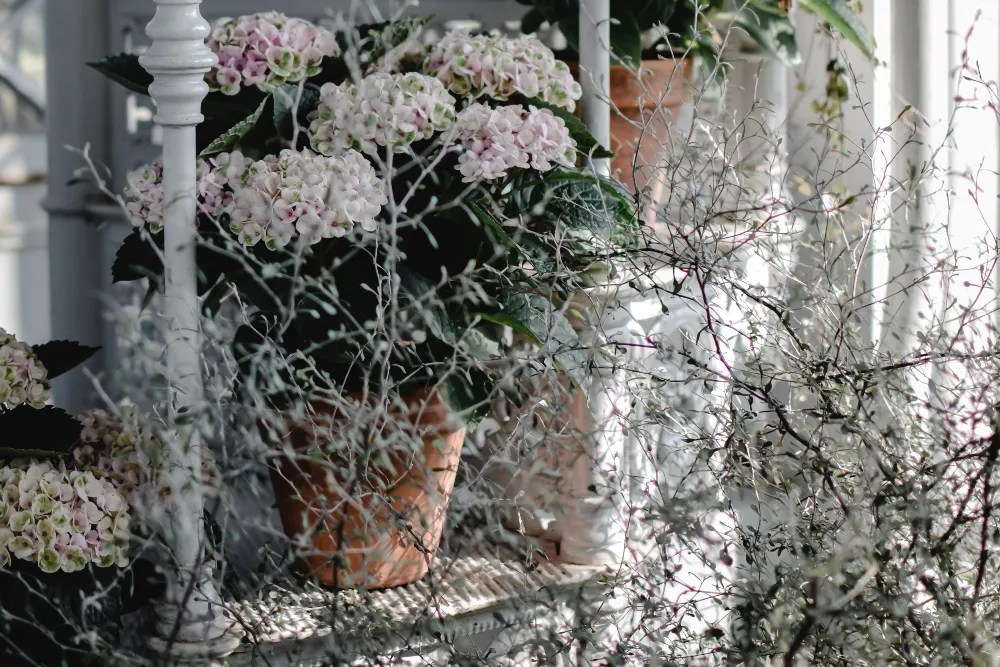
Hydrangeas are some of the most democratic shrub for gardens and landscapers . Their large and colorful blooms will serve you create a visually arresting garden with an honest-to-goodness - fashioned appeal . These graceful plants are easy to set and give care for and , in ideal conditions , can create abundant blooms in various semblance depending on thesoil pH.
So how should you go about constitute these gorgeous shrubs in your garden ? Is there anything to take into consideration beforehand ? And lastly , what is the dependable elbow room to care for your hydrangea to avail it thrive ?
Planting Your Hydrangeas
Image citation : Lakeisha Ethans for Backyard Boss
When you ’re ready to plant hydrangeas , selecting an ideal spot is crucial . These industrial plant boom in areas with partial shade , so ensure that the locating you pick gets morning sun and afternoon shade . Hydrangeas must get at least six hours of sunlight a day .
Additionally , they prefer moist , well - draining , and nutrient - fat soil to thrive . If your soil is to a fault sandy orprone to compaction , add compost or peat moss to improve its texture .

If you’retransplanting hydrangeas , dig a hole twice the size of it of the rootball and target your hydrangea inside before filling it with ground . Be careful not to swallow up the stem deeper than it was in the glasshouse pot . Finally , give your hydrangea a exhaustive watering .
It ’s essential to consider the spatial arrangement between your hydrangea plants to raise sufficient zephyr circulation and prevent pests and disease from spreading . Ideally , space each plant at least 3 to 5 feet apart .
Autumn tends to be thebest time to plant your hydrangeas ; however , if that ’s not an option , spring is a close sec . The end of planting during these seasons is to allow the plant plenteous time to establish its root system before wintertime or summer arrives .

Pro - Tip : Soil pH plays a pregnant function inchanging your hydrangea bloom color . For example , if you desire pinkish hydrangeas , keep your soil at an alkaline pH , and if you prefer blue ones , your soil pH should be acidic .
Caring for Your Hydrangeas
right care and maintenanceare crucial for hydrangea to thrive and grow arresting , vibrant bloom . cardinal aspects of their forethought include lacrimation , fertilizing , mulching , pruning , and wintertime upkeep .
1. Watering
Hydrangeas flourish in moist , well - drain soil , which mean you ’ll need to water them once or twice a week , depending on weather condition . variety care bigleaf and tranquil hydrangea may need more frequent watering during dry periods .
Organic mulching under your plants is an excellent way to ameliorate water retention . This can bit by bit unfreeze nutrients , improve soil texture , and order the soil ’s temperature , keeping it cool and moist .
If you ’re using irrigation systems , keep off overhead method acting like overhead sprinkler to forbid wetting the foliation , which can lead to fungous disease and putrefaction . alternatively , opt for a downpour hose or drip irrigation .

2. Fertilization
Image credit : Osmocote Store via Amazon
Fertilization may not be necessary if you have nutrient - racy soil . This is because unreasonable fecundate canhinder bloomingby promoting extensive foliage growth . To determine if your soil requires fertilisation , execute asoil testto infer your filth ’s structure and fertility .
Eachhydrangea varietyhas unique nutrient demand , so the timing and frequency of fertilization will variegate so do your enquiry beforehand . As a regulation of thumb one of the best times to fertilize your hydrangea isin the spring afterpruning , from mid - April to May

explore more about the variety you ’re plant to provide the shrub with the best potential conditions for healthy growth .
you’re able to find these plant food in most dwelling and garden stores , but ensure they contain nitrogen , phosphorus , and atomic number 19 , as these are essential elements for lush blooms and strong stems .
In general , you’re able to use a slow release 10 - 10 - 10 fertilizer to supply nutrients to your gorgeous flowers .

Pruning of dried flowers in the autumn garden. A gardener cuts a perennial hydrangea bush in his garden during the autumn season.
3. Mulching
Mulching providesgreat benefitsfor hydrangeas . It helps keep on ground moisture , prevents weed ontogeny , and regulates soil temperature . When mulching , use 2 to 3 inch of material around the base of the plant , avert the stem toprevent rot .
4. Deadheading Hydrangeas
range of a function credits : Tequiero via Shutterstock
Deadheading involves removing faded blooms , which encourages continuous blooming during the intact time of year . Once a efflorescence is spend , take a duo of sharp pruning shears or scissors and cut it off just underneath the flower headspring . But be careful not to cut too much of the base , as this can causeblooming issuesthe following year .
5. Winter Care
persona Credits : Eva Bronzini via Pexels
Winter can be a tadrough on hydrangea , so it is a well melodic theme to take extra safeguard to ensure they ’re alright . mulch with bark , leaves , straw , or pine needles in the autumn is a good start . Another option is to make cages around the plants using snow fencing or chicken wire and partly satisfy them with leave . Do n’t use maple leaves as they can become flat when moist and suffocate the flora .
6. Pruning
Image credit : Lakeisha Ethans for Backyard Boss
The best time toprune your hydrangeasis fall or early spring . Both cede serious issue . However , it is essential not to be tooaggressive with pruning , as this can result in fewer efflorescence . Cut ½ to 1 inch above a budding node at a 45 - point slant when pruning . If there is a risk of leaping frost , use frost cloth to cover the buds on nights when temperature are expected to beextra stale and frosty .
7. Pests and Diseases
Hydrangeas are not hard to care for but are still susceptible to pesterer and disease . obviate over - fertilizing andoverwatering your plantto maintain the best potential growing condition . Keep a nigh eye on your shrub for anysigns of troublebecause other detective work and immediate action can help prevent pest and disease . Common plague that involve hydrangeas let in aphids , wanderer mites , andscale louse , while common disease includepowdery mildew , botrytis blight , androot rot .
Maintain Your Compost-ure!
hydrangea are some of the mostpopular landscaping plant , which should n’t be surprising considering their gorgeous blooms . They are also wide loved because they are easy to plant and worry for .
That state , if you supply them with moist , well - drain soils , winter protection , and fertilizer , you ’ll be consecrate with abundant rosiness that ’ll drop jaws !
Leave your experiences , thinking , and questions in the remark section ! And share with friends and menage who might find this helpful .


Pruning of dried flowers in the autumn garden. A gardener cuts a perennial hydrangea bush in his garden during the autumn season.