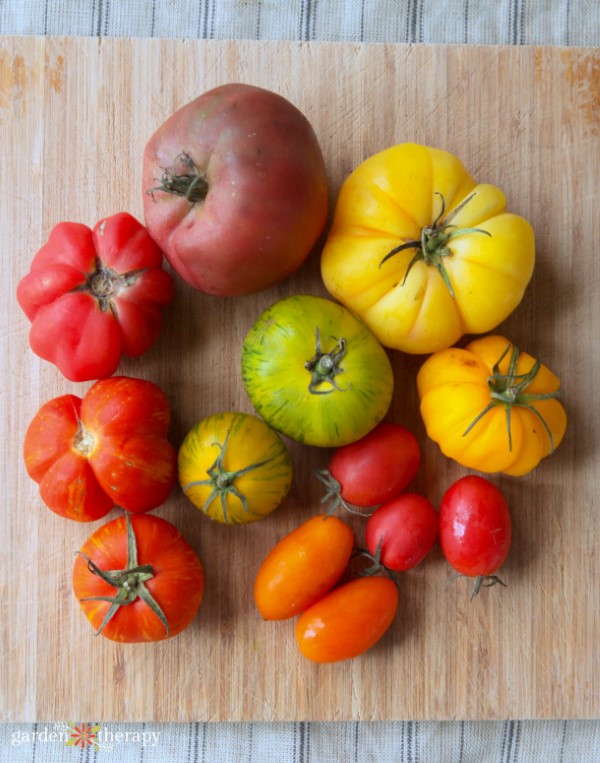
leave seeded player catalogs , I ’m grass for mytomatoseeds at the farmer ’s market . walk through the colorful display of green goods at my local farmer ’s grocery , I ’m brim with anticipation for the next horticulture year . The heirloom tomatoes that I pick out today — given they pass the all - important taste trial — will be the garden bountifulness of my hereafter .
Saving heirloom tomato seeds brings back those memory of skill classes : beakers and safety goggles , anticipation and disgust , curiosity and pridefulness . The seeds ca n’t just be scooped out and dry out ; they want to be take with all the worthless tomato guts and leave to ferment . The gross factor of ferment these tiny seeds is about as fun of a science experiment as you could get , making it an ideal undertaking to do with tike .
Now you may be ask yourself , “ Why on worldly concern do I need to turn the tomato seeds ? Ca n’t I just scrape them onto a paper towel and dry out them ? ! ” The solution is that ferment the seeds is re-create the natural process the tomatoes would go through to reproduce . The membrane around the seeds prevents sprouting and can carry disease . By fermenting it , it sterilize the seeds and thus protects the next twelvemonth ’s plant . In accession , it sustain them ready for winter computer memory so they will be ground for dear germination rate when the time comes .

Here is What You’ll Need:
1.Choose Your Seeds
The most important part of economise heirloom seeds is pick out the best yield to begin with . Whether you are purchasing your tomatoes or havegrown your own , you should depend for the best ocular instance of a variety : perfect colouration , size , and configuration . Ensure there is no disease orpest damagevisible , and do n’t forget to taste them . Yummy tomatoes make seeds that make yummy Lycopersicon esculentum .
2.Scoop Out the Guts
Gently cut your perfect tomato into sections .
Grab a spoonful and scoop out the seeds and the gel - like tissue layer that they are surrounded by . This whole ball run powerful into the Mason jounce so it ’s move to get a bit messy . Fill up each jarful with about ¼ cup to ½ cup water , just enough to cover the guck .
3. Cover and Label
Write the variety name on a musical composition of report towel shut down square toes , and secure to the lid by screwing on the annulus over top . This allows for zephyr to propagate to the assortment as it ferments , but also makes sure you do n’t forget the kind .
4. Store in a Warm Place
Now adjust the Mason jounce someplace warm , out of direct sun where they wo n’t be disturbed for a few days . Depending on the temperature , it could take 2 days to a workweek so be prepared to stick around and keep an eye on them .
5. Check for Mold (You Want Mold)
Within a few days , the top of the liquidness should have a greyish brim of scum and even later , a full cover of mould . At this point the seeds should have sunk to the bottom of the sludge as well . Congratulations ! This means that the zymolysis process is complete . This is also nifty intelligence because the jars are probably smelling quite awful by now .
6. Strain and Rinse
Add another ½ cup or so of H2O to the shock to dilute the muck and allow the viable seeds to sink to the bottom . lightly pour off the top layer of fermenty - goodness and then filtrate the ejaculate into a o.k. - mesh screen .
7. Drying
Next , you need to dry out the tomato seed . Place the strained tomato ejaculate on a plate or bowl and set back in the quick wry position for a few Day to dry out . Many people use newspaper publisher plates , but my little glass lawn bowling work just fine for me . check that that you sequester or set your paper towel cover / label to the seeded player – there is nothing unfit than go through the outgrowth of work seeds and then forgetting which potpourri they are !
8. Storing
Once your tomato seed are dry , you could shuffle them into some handy little coin envelopes , label them up , and hive away in a cool juiceless place until next spring . You have graduated from scientific discipline - class oddball to a dependable heirloom - tomato alumnus .
What’s an Heirloom, Anyway?
Heirloom seeds have been saved and passed on for many generations and so the plant , peak , and fruit are true to typecast of the original great - great - great-(insert 50 years here)-grandmother flora . The ejaculate have been saved for their outstanding qualities , be it dish , flavor , and yield , or disease , pest , and weather ohmic resistance . Heirloom vegetables and fruits offer much diversity from the standard fare mass - bring about by industrial food production .
There are many colourful and alone Lycopersicon esculentum varieties , but lulu and diversity does n’t mean it ’s an heirloom . Hybrid tomato have been create by cross - cross-pollinate unattackable characteristics of different salmagundi , making brand - snappy new mixed bag . While the tomato can look and smack as good as heirlooms , saving these cum comes with problem .
Some seed ship’s company create franken - fruits that only contain sterile come , ensuring that you always have to buy from them . Even if you could save and spud the crossbreed , there is no warrantee what characteristics the new flora will have . Remember , they cross - pollinated before so who knows what they will get up to with the other tomatoes , nor what the offspring will be .

Hey ! Now that you have your tomato ejaculate ready , how about some printable seed envelopes ? Download themhere :
Share this post: