Related
After light , the temperature is the second most important factor affecting plant life growth in houseplants . Many indoor industrial plant hail from tropic or subtropic regions and do n’t come well in cold climate . This is one of the reason for their popularity as houseplant ; the temperature inside most home base are ideal .
However , temperature can vacillate quite a routine depending on a variety of factors such as the time of yr and location within the family . Considering the temperature when picking a fix for your houseplant is crucial for the health of your plants . understand on to learn what the good temperature is for your houseplant .
How Does Temperature Affect Growth?
Image quotation : Phil Hearing via Unsplash
Temperature and light work hand - in - mitt to keep houseplant thriving . The process of photosynthesis require sunlight , but would n’t be possible without worthy temperatures for plant life growth . Temperature assists with respiration , breaking down the energy provide through photosynthesis . Through the process of cellular respiration , plants use salt away oxygen and sugars , convert them into energy . The by - product is carbon dioxide andwater .
high-pitched temperature will lead to increased breathing , piss expiration , and dehydration which can result in shriveling . Low temperatureswill step-down respiration which may leave instunted emergence , foliation damage , folio drop , or death . This is why it ’s honest to know the proper temperature essential for your specific plant and to keep an eye on your thermoregulator .

What’s Too Cold?
look-alike credit : qimono via Pixabay
If temperatures dribble below 50 degree Fahrenheit , this is usually too cold for most houseplant . Brief periods of temperature between 40 and 50 degrees may not be detrimental for all indoor plant , but most will not hold out tenacious piece in this range .
There are always elision to the rules;cast - iron flora , ferns , Cyclamen purpurascens , andsucculents , all can hold out in lower temperature , and some even opt it . Succulents , for example , are often quite happy with nighttime temperature of 40 level Fahrenheit .

If you’redecorating a basementor cooler area of your nursing home , some of the unspoiled options are parlor thenar , babe gumshoe plants , English ivy , and more ! However , most houseplant , will not flourish in these cool temperatures .
What is the Best Temperature For Houseplants?
Image citation : Scott Webb via Unsplash
Homes are typically well above 50 degrees Fahrenheit which houseplant will be more than happy with . The good temperature for houseplants during the day is between 70 and 80 grade Fahrenheit . Most plants favour temperature 10 to 15 degrees cooler at dark . The drop in temperature slows internal respiration rates which serve with energy production . Flowering plantswill benefit from temperature as low as 55 to 60 degrees Fahrenheit ; the ice chest temperature assist to strain the life of their blossom .
Many houseplant will last in ranges below 55 and above 80 degree , but in some case it can stunt their growth . verify you check on your works growing needs to see what temperatures they favor .
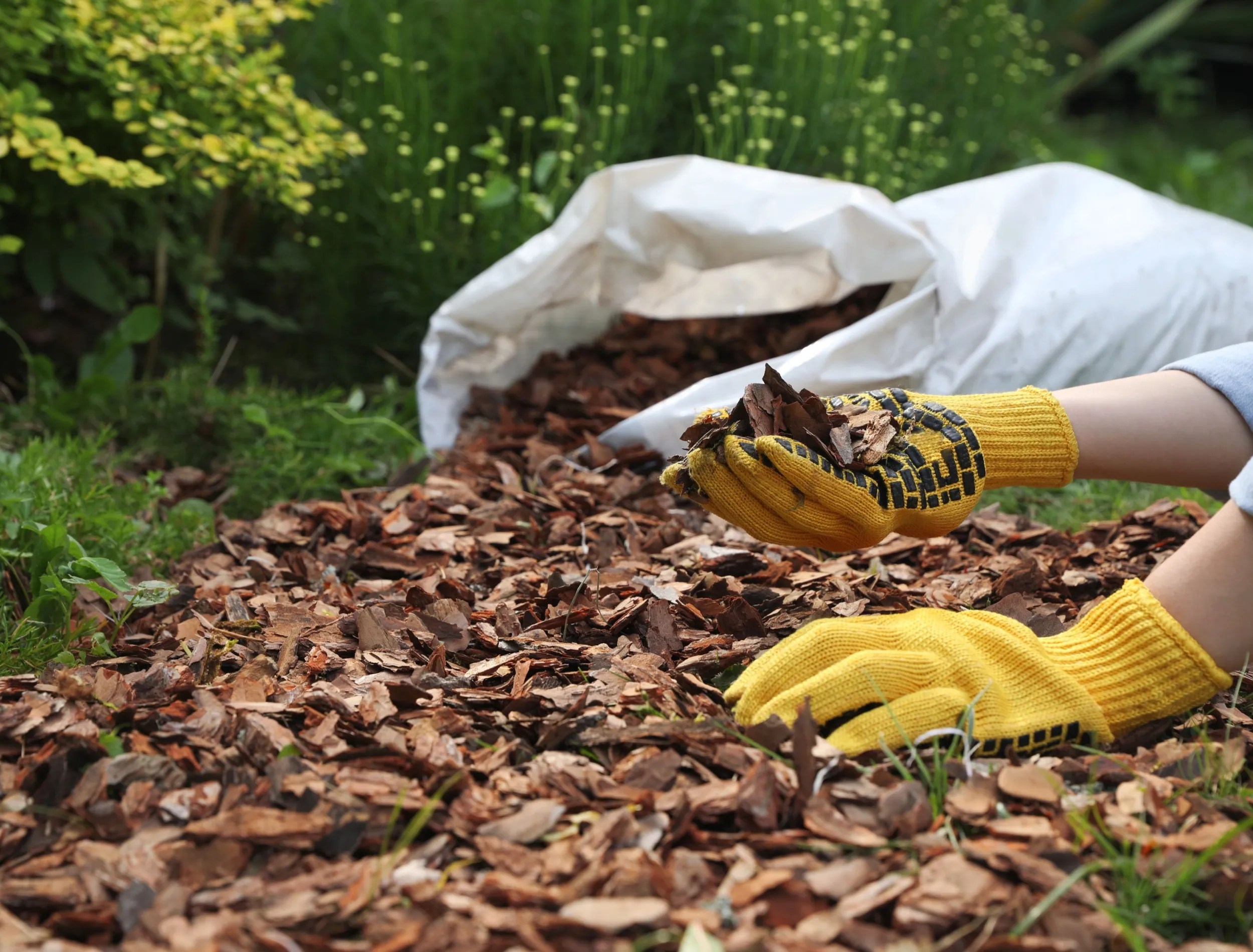
In the cool months , insulating the pot , or usingheating matscan help keep your plants lovesome . For plants discover to prolongedperiods of uttermost heat , be sure to provide extra water to reduce tension .
How Humidity Factors In
Image acknowledgment : Huy Phan via Unsplash
In tropical habitat andgreenhouseswhere plants flourish , there is a high point of wet in the melody than is typically provided in base . Exceptions admit succulent andcactiwhich live in an arid surround and prefer low humidity . Otherwise , houseplants will like a average humidness level , between 40 and 50 percent .
Whether it ’s a dry climate , or your space has draft from air conditioners and heating plant units , thehumidityin most homes is often scurvy ( peculiarly in the winter ) . When this relative humidity is too small , it can lead to faster water going , resulting in shriveling leaves . You canincrease the humidityaround your plants bygrouping them together , using humidifiers , and growing them interrariumsor glass storage locker .

However , highrelative humidityin combination with high heat energy can be detrimental to the health of your plants . When indoor temperature climb above 86 degree Fahrenheit , this may chop-chop desiccate your flora .
Maintaining the Ideal Temperature For Your Houseplants
effigy credit : Mustafa Hussein via Pexels
To uphold the ideal temperature for your houseplant , keep the thermoregulator at a point that you find comfortable and your plants should also be happy . For example , potted plant will do well in 65 to 75 degree Fahrenheit , while plant will more leaf can tolerant high temperature .
Setting your thermostat a few degrees cooler at Nox can also do good some plant life , but it is n’t necessary . base are often naturally cooler at night . Plants locate near window that experience unmediated light will experience warmer temperature than plants localise back from the windows . These window sill slur are stark for flowering plants which benefit from a big drop-off in nighttime temperatures .

Be careful about where you grade your plants , and move them if necessary throughout the year to avoid blasts from the air conditioner or warming vents . In thewinter months , you may want to move plants back slightly from window to guarantee that foliage is n’t touching the glass ; the stale panes can damage the plant life tissue .
What’s Your Temp At?
Temperature is a critical broker affecting plant health and maturation . Homes are ordinarily an ideal temperature for most houseplants , but it ’s important to keep an center on your plants and make readjustment ifyou notice they are n’t happy .
Keep coherent temperatures during the Clarence Shepard Day Jr. , with a cooler routine come nighttime . Each houseplant may have more or less different needs , so be certain to check your particular mintage for ideal temperature ranges .


